Introduction
If you’re expecting twins here in Nigeria, you’re likely navigating a unique and exciting pregnancy journey. As part of your prenatal care, your doctor might discuss NIPT for twins, a non-invasive prenatal screening (NIPS) test. This advanced blood test offers valuable insights into your babies’ genetic health without posing any risk to your pregnancy.
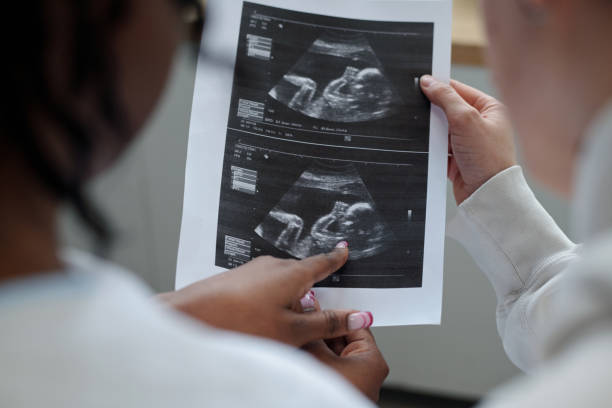
NIPT for twins works by analyzing tiny fragments of your babies’ DNA, known as cell-free DNA (cfDNA), which circulate in your bloodstream. During pregnancy, both your own DNA and DNA from your developing fetuses pass into your blood.
Why Expectant Parents Trust Oncogenomics for Twin Screening
As West Africa’s first in-house DNA and oncological testing center, we provide world-class accuracy right here in Lagos.
- West Africa’s First: We are the region’s pioneer in-house genetic facility, meaning your samples are handled by local experts with international standards.
- Fast, Local Results: No need for international shipping delays. Get the peace of mind you need for your twins in as little as 7–10 business days.
- Expert Clinical Support: You aren’t just getting a report. Our specialized doctors and genetic counselors are available to walk you through every result.
- 100% Non-Invasive: Safe for you and both of your babies.
Worried about the health of your twins? Get peace of mind today. Check NIPT Availability & Price
The NIPT simply requires a standard blood sample from your arm, much like any other routine blood test. This sample is then sent to a specialized lab where the fetal cfDNA is isolated and analyzed.
The science behind NIPT in twin pregnancies is particularly fascinating. Unlike a singleton pregnancy where only one baby’s DNA is present, the test in a twin pregnancy needs to account for the genetic material from two fetuses. The technology can differentiate and quantify the cfDNA from both babies. This allows for a risk assessment for common chromosomal abnormalities in each baby.
Furthermore, the test can often provide valuable information about twin zygosity (whether they are identical twins or fraternal twins) and even determine the twin gender for each baby, which can be helpful for both medical management and personal planning.
Key Aneuploidies Detected by NIPT for Twins
The primary conditions that NIPT for twins screens for are the trisomies, where there’s an extra copy of a particular chromosome:
- Down Syndrome (Trisomy 21): This is the most common chromosomal condition.
- Edwards Syndrome (Trisomy 18): A more severe condition, often associated with significant health challenges.
- Patau Syndrome (Trisomy 13): Also a very severe condition.
For these major trisomies, NIPT for twins offers significantly higher detection rates and lower false-positive rates compared to traditional screening methods, providing more reliable early genetic screening for multiple pregnancies.
Beyond Trisomies: Sex Chromosome Aneuploidies and Microdeletions
Beyond these core trisomies, many NIPT panels for twins can also screen for certain sex chromosome aneuploidies (SCAs). These involve an abnormal number of X or Y chromosomes, such as:
- Monosomy X (Turner Syndrome): Occurs when a female has only one X chromosome.
- Klinefelter Syndrome (XXY): Occurs when a male has an extra X chromosome.
- Other less common conditions like Triple X syndrome (XXX) or XYY syndrome.
It’s important to understand a key distinction regarding NIPT for twins and microdeletions. While some NIPT panels for singleton pregnancies offer screening for specific microdeletion syndromes (small missing pieces of a chromosome), the accuracy and clinical utility of NIPT for twins in detecting these rarer conditions are significantly lower and more complex.
This is due to the inherent challenges of analyzing DNA from two fetuses. Therefore, while the test provides robust screening for major trisomies, a “low risk” result for microdeletions in twin pregnancies should be interpreted with caution, and your healthcare provider or genetic counselor will clarify these nuances.
The Benefits of Choosing NIPT for Your Twin Pregnancy

For parents expecting twins, the thought of comprehensive prenatal screening can be both reassuring and, at times, a source of anxiety. This is where NIPT for twins truly shines, offering several significant advantages that align with the best practices in modern prenatal care, particularly in a context like Nigeria where twin pregnancies are relatively common.
Peace of Mind with a Non-Invasive Genetic Test
One of the foremost benefits of NIPT for twins is its non-invasive nature. Unlike diagnostic procedures such as chorionic villus sampling (CVS) or amniocentesis, which carry a small but present risk of miscarriage, NIPT requires only a simple blood draw from the mother.
This means there is absolutely no direct risk to your developing babies. For many families, this aspect alone provides immense peace of mind, allowing them to pursue early genetic screening without the inherent concerns associated with invasive testing.
Early Detection for Informed Decision-Making
NIPT for twins can be performed as early as 10 weeks of gestation. This early detection capability is incredibly valuable. Receiving information about your babies’ genetic health early in the pregnancy empowers you and your healthcare team to make timely and informed decisions.
Should an increased risk be identified, this early insight allows for genetic counseling and the consideration of further diagnostic steps well before the later stages of pregnancy. This proactive approach can significantly influence prenatal care planning, preparing parents for potential challenges and ensuring the best possible outcomes for their twin babies.
Higher Accuracy Compared to Traditional Screening Methods
While older screening methods for chromosomal conditions in twin pregnancies often faced limitations in accuracy and interpretation due to the presence of two fetuses, NIPT for twins has demonstrated superior performance. For common conditions like Down syndrome, NIPT offers significantly higher detection rates and a lower false-positive rate.
This improved accuracy means fewer instances of unnecessary anxiety caused by false alarms and a more reliable assessment of your twin pregnancy.
In a country like Nigeria, where access to specialized diagnostic procedures might sometimes be a journey, having a highly accurate initial screening like NIPT for twins can streamline the prenatal care journey, reducing the need for more complex follow-up steps unless truly indicated.
NIPT is a Screening Test, Not Diagnostic
The most important point to grasp is that NIPT for twins is a screening tool. This means it can indicate an increased risk for a chromosomal condition, but it cannot definitively confirm its presence. If your NIPT for twins results come back as “high risk,” it signifies that further investigation is warranted.
In such cases, your healthcare provider will likely recommend follow-up diagnostic testing, such as chorionic villus sampling (CVS) or amniocentesis. These invasive procedures analyze fetal cells directly and provide a confirmed diagnosis, offering the certainty needed for crucial medical decisions.
Unique Challenges Affecting NIPT Accuracy for Multiples
The complexity of twin pregnancies introduces unique factors that can influence the accuracy of NIPT for twins:
- Lower Overall Accuracy: While highly accurate for common trisomies, the performance of NIPT for twins can be slightly less precise compared to singleton pregnancies. This is because the test analyzes a combined pool of DNA from both fetuses, making it challenging to attribute an abnormality to a specific twin or to detect all forms of chromosomal variations.
- Low Fetal Fraction: For NIPT to be successful, there needs to be a sufficient amount of fetal DNA (fetal fraction) in the mother’s blood. In twin pregnancies, the total fetal fraction might be adequate, but the individual contribution from each twin can vary. If one twin’s DNA contribution is too low, it can lead to an inconclusive NIPT result for that twin or for the entire pregnancy.
- Vanishing Twin Syndrome: In some multiple pregnancies, one embryo may stop developing early on and be reabsorbed by the mother’s body or the surviving twin. This is known as “vanishing twin syndrome.” If the vanished twin had a chromosomal abnormality, its residual DNA can persist in the mother’s bloodstream for weeks, potentially leading to a false positive NIPT result for the surviving, healthy twin. It’s vital to inform your doctor if there was an early ultrasound showing two gestational sacs, even if only one is viable later.
- Confined Placental Mosaicism: Sometimes, a chromosomal abnormality is present only in the placental cells (which is what NIPT analyzes) but not in the baby’s actual cells. This “confined placental mosaicism” can lead to a false positive NIPT result, meaning the test flags a risk when the babies are actually unaffected.
- Maternal Factors: Certain maternal medical conditions (like cancer, although rare), recent blood transfusions, or even significant maternal aneuploidy can influence NIPT for twins results, potentially leading to inaccurate readings.
It’s important to remember that NIPT for twins cannot detect all genetic conditions, nor does it screen for structural birth defects (like heart defects or spina bifida). Regular ultrasounds remain critical for assessing the physical development of both babies. Your healthcare provider will guide you through these nuances, ensuring you have a complete picture of what NIPT for twins can and cannot tell you about your babies’ health.
Step-by-Step Guide to Your NIPT Blood Test Journey
The actual process for NIPT for twins is remarkably simple. It begins with a routine blood draw from your arm, typically performed by a phlebotomist at your doctor’s office or a local laboratory in Lagos or any part of Nigeria where the service is available. This sample is then prepared and sent to a specialized genetics laboratory for analysis.
Regarding the NIPT results timeline, while variations exist between different laboratories, most results for NIPT for twins are generally available within 7 to 14 business days from the time the sample is received by the lab.
Factors like lab processing speed, the volume of tests, and even the time of week the sample is taken can influence this turnaround time. Your doctor’s office will notify you once your results are ready for discussion. It’s also worth noting that the NIPT test cost for twins can vary.
Interpreting Your NIPT for Twins Report
When your results arrive, your healthcare provider will explain what they mean. Generally, NIPT for twins results are categorized into three main outcomes:
- Low Risk: This is the most common and reassuring result. It indicates that your babies have a very low probability of having the chromosomal conditions screened for. A low-risk result provides considerable peace of mind, though it’s important to remember that it doesn’t guarantee the absence of all genetic conditions or birth defects.
- Increased Risk (High Risk): This result suggests that your babies have a higher chance of having one of the screened conditions. As discussed earlier, an increased risk result from NIPT for twins does not mean a definitive diagnosis. It means further investigation is highly recommended.
- Inconclusive Result: Occasionally, the lab may not be able to provide a clear result. This can happen if there’s insufficient fetal DNA in the sample (low fetal fraction), which can be more common in twin pregnancies or in mothers with a higher BMI. In such cases, your doctor may suggest a repeat NIPT for twins test, usually after a week or two, to allow more fetal DNA to accumulate.
Regardless of the outcome, the importance of discussing your NIPT for twins results with your healthcare provider or a genetic counselor cannot be overstated.
They are experts in interpreting these complex findings, considering your specific pregnancy, and guiding you on any necessary next steps. If an increased risk is detected, they will explain the options for diagnostic testing (like CVS or amniocentesis) and provide comprehensive genetic counseling to help you make informed decisions for your unique twin pregnancy journey.
Conclusion
Expecting twins is a journey filled with unique joys and considerations. As you prepare for the arrival of your two bundles of joy , making informed decisions about their health is paramount. NIPT for twins stands out as a significant advancement in prenatal screening, offering a safe, non-invasive method to assess the risk of common chromosomal conditions early in your pregnancy.
While NIPT for twins provides remarkable accuracy for major trisomies and can offer valuable insights into twin zygosity and gender, it’s essential to remember its role as a screening test. It gives you a probability, not a definitive diagnosis, and certain limitations, particularly concerning rarer conditions or in complex scenarios like a vanishing twin, should always be discussed with your healthcare provider.
Ultimately, choosing to undergo NIPT for twins empowers you with crucial information. It allows for proactive planning, reduces unnecessary anxiety by providing highly accurate initial screening, and ensures that you and your medical team are well-prepared for any potential next steps.
In the dynamic landscape of prenatal care , embracing tests like NIPT for twins means leveraging the best available technology to nurture the healthiest possible start for your precious multiple pregnancy. Always consult with your doctor or a genetic counselor; they are your best resources for personalized guidance throughout this exciting time.
Ready to schedule? Our specialized doctors are waiting. Book Appointment via WhatsApp
FAQ
Is NIPT for twins truly accurate?
NIPT for twins is generally highly accurate for detecting common chromosomal conditions like Down Syndrome (Trisomy 21), Edwards Syndrome (Trisomy 18), and Patau Syndrome (Trisomy 13). It offers superior detection rates and fewer false positives compared to traditional screening methods for twin pregnancies. However, it’s vital to remember it’s a screening test, not a diagnostic one. While its accuracy is impressive, particularly for Down syndrome in twins, factors like low fetal fraction or a vanishing twin can impact results, and it’s not 100% accurate for all conditions.
When is the earliest I can undergo NIPT for twins?
You can typically undergo NIPT for twins as early as 10 weeks of gestation. This early timing allows for informed decision-making and planning for your prenatal care journey. It’s crucial to confirm your gestational age with an ultrasound before the blood draw to ensure there’s sufficient fetal DNA for reliable analysis.
Can NIPT for twins determine the gender of each baby?
Yes, in many cases, NIPT for twins can provide information about the sex of each baby. By analyzing the presence or absence of Y chromosome material, the test can indicate if at least one fetus is male or if both are female. For fraternal twins (dizygotic), it can often determine the sex of each individual baby. For identical twins (monozygotic), since they share the same genetic makeup, knowing the sex of one effectively tells you the sex of the other.
What happens if my NIPT for twins results come back high risk or inconclusive?
A high-risk result from NIPT for twins means your babies have an increased probability of having a specific genetic condition. It does not provide a definitive diagnosis. In such a scenario, your healthcare provider will strongly recommend follow-up diagnostic testing, such as chorionic villus sampling (CVS) or amniocentesis, to confirm the findings. An inconclusive result means there wasn’t enough fetal DNA to generate a clear report, and a repeat NIPT for twins test may be suggested after a week or two. Genetic counseling is highly recommended to discuss these outcomes.
Is NIPT for twins readily available in Nigeria, and what about the cost?
Yes, NIPT for twins is increasingly available in major cities across Nigeria, including Lagos, Abuja, and Port Harcourt, through various private diagnostic laboratories and specialized prenatal clinics. The NIPT test cost for twins can vary between providers, so it’s advisable to inquire directly with your healthcare facility or a genetic counselor for the most up-to-date pricing information and to understand what the cost covers.
Does NIPT for twins screen for all genetic conditions or birth defects?
No, NIPT for twins is a targeted screening test. It primarily screens for common chromosomal aneuploidies (like Trisomy 21, 18, and 13) and certain sex chromosome abnormalities. It does not screen for all genetic conditions, nor does it detect structural birth defects (e.g., heart defects, spina bifida). Regular prenatal ultrasounds remain crucial for monitoring the physical development of your twin babies and detecting structural anomalies.